
Mar 05, 2026 11:51 PM
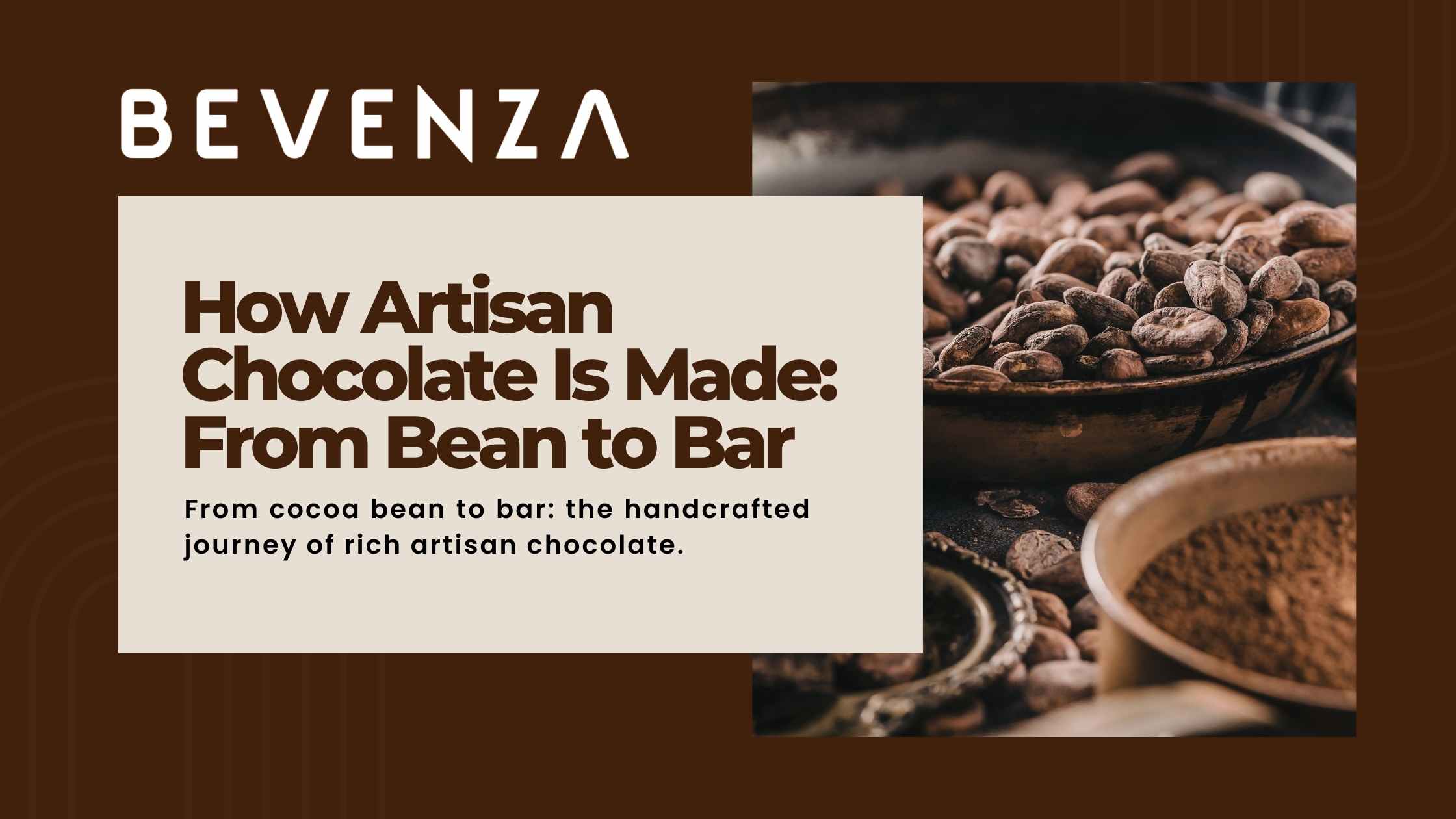
Chocolate is a cherished treat. Recently, many people have begun to notice how chocolate is made. This growing curiosity has sparked the rise of artisan chocolate. This chocolate is made with care, top-quality cacao beans, and small batch methods. Artisan chocolate makers differ from big brands. They emphasize flavor, transparency, and the cacao journey. This path goes from farm to chocolate bar.
Bean bar chocolate is becoming popular. This is because it allows chocolate makers to control every step of the process. Bean-to-bar producers use raw cacao beans instead of processed cocoa from big suppliers. They carefully roast, grind, refine, and temper the beans. This approach helps preserve the natural flavors of the cacao and creates chocolate with deeper, more complex taste profiles.
Another important difference lies in how chocolate is produced. Mass-produced chocolate is made in huge factories designed for speed and consistency, often using bulk cocoa and additional ingredients to maintain uniform flavor. Small-batch chocolate is made in limited amounts. This lets chocolate makers focus on quality, the cacao's origin, and careful processing. This attention to detail is what gives craft chocolate its distinctive flavor and character.
To truly understand artisan chocolate, it helps to examine the cacao bean-to-chocolate process. The journey begins on cacao farms where cacao pods are harvested. The beans then undergo fermentation, drying, roasting, grinding, and refining before becoming a chocolate bar. Each stage influences the final flavor, aroma, and texture of the chocolate. The careful journey from cacao bean to chocolate bar makes artisan chocolate special. Chocolate lovers around the globe truly appreciate this process.
Artisan chocolate is made with a strong focus on quality and craftsmanship. It highlights the natural flavor of cacao beans. Artisan chocolate makers create chocolate in small batches. They carefully control each step of the process, unlike large factories. The goal is not just to create a sweet product, but to highlight the true character of the cacao and the place where it was grown.
At its core, artisan chocolate is chocolate made with attention to detail and minimal industrial processing. Makers often use top-quality cacao beans, basic ingredients, and traditional methods. This helps them create richer, more complex flavors. Artisan chocolate is different from commercial chocolate. It doesn't contain added oils, excess sugar, or artificial flavors. Instead, it uses a short and clear list of ingredients.
Many artisan chocolate brands follow the bean-to-bar chocolate model. The chocolate maker uses raw cacao beans. They handle every step of production: roasting, grinding, refining, and molding the final chocolate bar. Makers control the entire bean-to-bar chocolate process. This helps them maintain high quality and preserve the natural cacao flavors.
One of the most important aspects of craft chocolate making is the emphasis on cacao origin. Just like coffee or wine, cacao beans from different regions produce different flavor notes. Artisan chocolate makers find beans from certain farms or regions. They adjust roasting and processing to highlight the best traits of each cacao type.
Over the last decade, premium artisan chocolate has seen remarkable growth worldwide. Consumers want cacao that is ethically sourced, produced transparently, and has authentic flavors. Bean-to-bar chocolate makers and small-batch brands are gaining global recognition. They offer chocolate that showcases craftsmanship and the natural richness of cacao.
Bean-to-bar chocolate means the maker oversees every step of chocolate-making. This starts with the raw cacao bean and ends with the final chocolate bar. Bean-to-bar chocolate makers skip buying pre-processed cocoa or chocolate liquor from big suppliers. They work directly with cacao beans and handle every step of the chocolate-making process themselves.
In simple terms, bean-to-bar means that chocolate is crafted from scratch using whole cacao beans. The chocolate maker roasts, cracks, grinds, refines, and tempers the chocolate. Then, they mold the final bar. This hands-on process lets makers control the flavor and texture of chocolate better than in big factories.
The biggest difference between bean-to-bar chocolate and industrial chocolate lies in control and intention. Large chocolate makers often buy bulk cocoa powder or chocolate liquor. Other suppliers usually process these products. Their focus is efficiency, consistency, and large production volumes.
Bean-to-bar chocolate makers create small batches. They adjust roasting temperatures, grinding times, and ingredient ratios. This helps bring out the cacao's unique flavors. This approach often yields chocolate with more complex aromas and a deeper taste profile.
Another key aspect of bean-to-bar chocolate is transparency. Many artisan chocolate makers build direct relationships with cacao farmers or cooperatives, ensuring better sourcing practices and higher-quality beans. Knowing where cacao comes from and how it's grown helps chocolate makers craft premium artisan chocolate. This approach honors both the ingredient and the people involved.
The beauty of bean-to-bar chocolate lies in its process. Every artisan chocolate bar begins with raw cacao beans and goes through several carefully controlled stages before becoming the final chocolate you enjoy. Each step contributes to shaping the flavor, texture, and quality of the finished chocolate.
The journey of artisan chocolate begins with selecting the right cacao beans. Cacao origin matters a lot. Beans from different areas have unique flavors. Some may taste fruity, while others are nutty or earthy. Many bean-to-bar chocolate makers focus on ethical sourcing by building partnerships with cacao farmers and cooperatives. This not only ensures better farming practices but also helps maintain consistent bean quality. High-quality cacao beans ultimately lead to chocolate with richer flavor, better aroma, and a more refined tasting experience.
Once cacao pods are harvested, the beans are removed and placed in boxes or covered piles to begin natural fermentation. During this stage, naturally occurring yeasts and bacteria break down sugars in the cacao pulp. Fermentation is essential because it develops the core flavor compounds of chocolate. Without proper fermentation, cacao beans would taste flat and bitter. This stage is often considered the foundation of great chocolate flavor.
After fermentation, the cacao beans are spread out under the sun to dry. Proper drying helps reduce moisture levels and prepares the beans for transportation and roasting. If beans are not dried correctly, they can develop mold or unwanted flavors. Controlled drying preserves the flavor created during fermentation and protects the overall quality of the cacao.
Roasting is where the familiar chocolate aroma begins to develop. During roasting, heat brings out deeper flavor notes while reducing bitterness and acidity. Craft chocolate makers often adjust roasting temperatures and times depending on the origin and characteristics of the cacao beans. This careful roasting helps highlight the unique personality of each cacao variety.
Once roasted, the cacao beans are cracked into smaller pieces. This process separates the outer shells from the inner cacao nibs. Cacao nibs are the pure, edible part of the bean and form the base of all chocolate. Removing the shells ensures that only the rich cacao center moves forward in the chocolate-making process.
The cacao nibs are then ground into a thick paste known as chocolate liquor or cocoa mass. Despite the name, it does not contain alcohol; it simply refers to the liquid form of cacao created during grinding. At this stage, the natural cocoa butter in the nibs melts due to friction and heat, transforming solid nibs into smooth liquid chocolate.
Conching is a refining process that improves both texture and flavor. The chocolate is continuously mixed and aerated for several hours or sometimes days. This step smooths out the chocolate, removes unwanted acidity, and develops a more balanced flavor. Small-batch chocolate makers often adjust conching times based on the desired flavor profile and texture.
Tempering is a controlled heating and cooling process that stabilizes the cocoa butter crystals in the chocolate. Tempering chocolate makes it shiny and gives it a clean snap when broken. It also creates a smooth melting texture when you eat it. Without tempering, chocolate can appear dull or develop a grainy texture.
The final step in the bean-to-bar chocolate process is pouring the tempered chocolate into molds to create chocolate bars. After cooling and setting, the bars are removed from the molds and prepared for packaging. This is where artisan chocolate is transformed into a finished product. It's carefully wrapped and presented as premium artisan chocolate, ready for chocolate lovers everywhere.
One of the defining characteristics of artisan chocolate is its production in small batches. Craft chocolate makers use smaller amounts of cacao. This lets them watch each step of the bean-to-bar chocolate process closely. This slower, more intentional approach is what makes small-batch chocolate stand out in both flavor and quality.
Small-batch chocolate production allows makers to pay close attention to every step of the chocolate-making process. Craft chocolate makers control every step, from choosing top cacao beans to fine-tuning roasting temperatures and times. This attention helps the final product show the cacao's natural traits. It avoids hiding them with too much sugar or additives.
Another reason small-batch chocolate is different is the depth of flavor it can achieve. Large commercial chocolate manufacturers often aim for a consistent, uniform taste across millions of bars. Artisan chocolate makers embrace the unique traits of cacao beans from various regions. This often leads to chocolate with complex flavors. You might taste fruity, nutty, floral, or earthy notes. This makes the tasting experience richer and more enjoyable.
Producing chocolate in small batches offers several advantages. It enables better quality control, greater flexibility in experimenting with cacao origins, and greater transparency in sourcing. Many small-batch chocolate makers focus on ethical sourcing. They build sustainable relationships with cacao farmers. The result is premium artisan chocolate. It shows great craftsmanship and respect for the ingredients.
Artisan chocolate in India has been gaining remarkable attention. Consumers are curious about where their food comes from and the quality of ingredients. As a result, many chocolate lovers are stepping away from traditional brands. They're now exploring bean-to-bar chocolate made by craft chocolate makers. This change has opened up more opportunities for Indian artisans. They are eager to create high-quality chocolate from well-sourced cacao beans.
Artisan chocolate in India shows a global trend. People are moving toward craft food and clear production methods. Many Indian chocolate makers are moving away from mass-produced cocoa. They now use the bean-to-bar chocolate process. This means they work directly with cacao beans. As a result, they create small-batch chocolate with unique flavors. This method shows off cacao's natural richness. It also delivers chocolate that feels authentic and carefully made.
India has areas where cacao farming is growing. This is especially true in southern states like Kerala, Tamil Nadu, and Karnataka. Indian craft chocolate makers are using locally grown cacao beans. They are testing new roasting profiles, fermentation methods, and flavor blends. This innovation is shaping a unique identity for Indian artisan chocolate. It highlights flavors that showcase the country's rich agricultural diversity.
As craft chocolate improves, some Indian brands are gaining notice in the global bean-to-bar chocolate market. Local and international fans now love premium artisan chocolate from India. They appreciate its transparency, ethical sourcing, and unique flavors. India is becoming a key player in artisan chocolate. This growing presence is exciting.
As bean-to-bar chocolate becomes more popular, many chocolate bars on the market claim to be premium or artisan. However, not all chocolate labeled this way truly follows the bean-to-bar chocolate process. Knowing how to spot real craft chocolate helps you pick quality options. This chocolate shows true craftsmanship and transparency.
The first step is to read the chocolate label carefully. Real bean-to-bar chocolate makers share details about where the cacao comes from, the cocoa percentage, and the ingredients in the bar. Some brands also mention the region or farm where the cacao beans were sourced. This level of transparency often shows that the chocolate was made using a true bean-to-bar method, not mass industrial processing.
Another important factor is the cocoa percentage and the ingredient list. High-quality artisan chocolate typically contains only a few simple ingredients, such as cacao beans, cocoa butter, and sugar. Some bars may include natural flavoring like vanilla, but the ingredient list should remain short and clear. A chocolate bar with added vegetable oils, artificial flavors, or fillers is probably not real craft chocolate.
Real craft chocolate often highlights its process and sourcing. Packaging may mention small-batch production, cacao origin, or details about the bean-to-bar chocolate-making process. The texture and flavor also tend to feel more refined, with complex tasting notes that reflect the cacao's origin. A chocolate brand that values transparency, quality ingredients, and careful production means you're likely enjoying real artisan chocolate.
The journey of bean-to-bar chocolate is much more than a simple manufacturing process. It begins with carefully selected cacao beans, moves through fermentation, drying, roasting, grinding, and refining, and culminates in beautifully crafted chocolate bars. Each step in the cacao bean-to-chocolate process plays an important role in shaping the final chocolate's flavor, texture, and quality.
What makes artisan chocolate truly special is the attention and care behind every stage. Craft chocolate makers focus on quality rather than just large-scale production. They pay attention to the cacao's origin and the methods used to enhance its natural flavors. This careful method usually leads to chocolate with richer aromas, more complex flavors, and a more enjoyable experience than mass-produced chocolate.
Understanding how chocolate is made can also change the way we enjoy it. When you know the journey from cacao bean to chocolate bar, each bite feels more meaningful. Slowing down to savor the flavor and admire the craft of chocolate makes a simple treat feel richer and more meaningful.
Bean-to-bar chocolate refers to chocolate that is made directly from raw cacao beans by the same chocolate maker. The maker doesn't buy pre-processed cocoa. Instead, they handle every step of making chocolate. This includes roasting and grinding cacao beans, refining, tempering, and molding the final chocolate bar.
Artisan chocolate is typically made in small batches with a strong focus on quality cacao beans and careful craftsmanship. Regular commercial chocolate is made on a large scale. It often uses bulk cocoa and additional ingredients to maintain a consistent taste.
Small-batch chocolate usually costs more. This is because it uses higher-quality cacao beans, sources ethically, and follows a detailed production process. Artisan chocolate makers focus on roasting, refining, and balancing flavors. They take their time instead of making chocolate in large batches.
In many cases, artisan chocolate is a better option because it typically contains fewer additives and a higher percentage of cacao. Higher cacao content often means more natural antioxidants and less added sugar.
Get in touch for test rich and new flavours!